
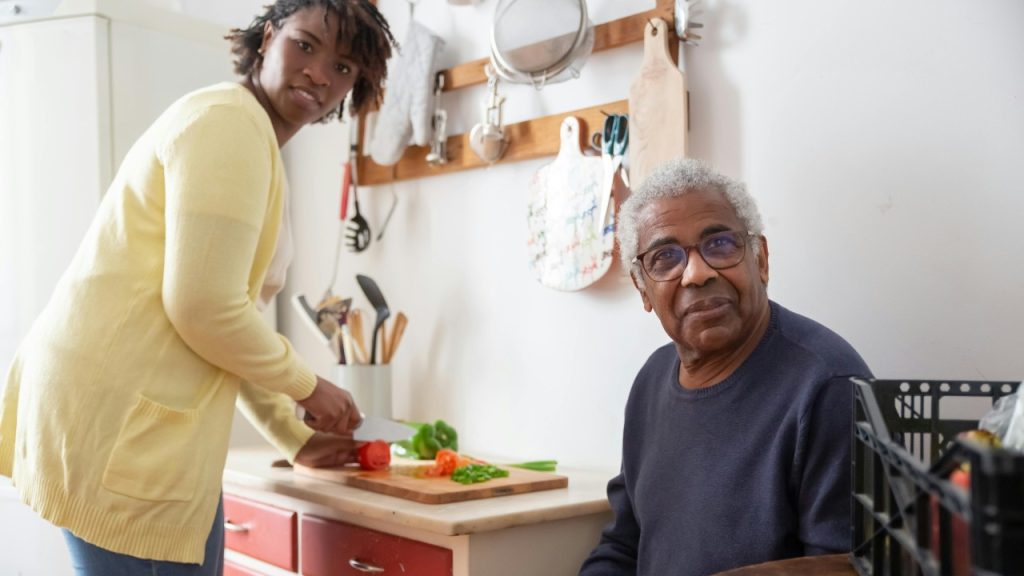
It can be counted an honour to age because life is experienced through different phases. From childhood, adolescence, love, children and grandchildren. These phases can also reflect the human life cycle. As a child we depended on our primary caregivers being our parents to provide and protect us. Entering adulthood, we are independent and care for ourselves. As the aging process continues, we are less able to do some of the things we could have before. At this stage we require the help and support of others around us. As the saying goes “Once a man, twice a child”.
Just as we baby proof our homes in preparation for and protection of the infant, we should geriatric proof our homes if we are charged with the responsibility to care for loved ones entering their golden years. Therefore geriatric-proofing the home aims to prevent or limit the possibility of accidents.
In this article we seek to share some tips to consider implementing around the home to make the living space for the elderly more comfortable. There is no specific age to begin these implementations but it should be done in accordance with the medical and physical condition of the intended users. Some points are general and should be repeated throughout the home.
1. We first look at the kitchen. A concerned caregiver or a patient may not notice but the kitchen can quietly become one of the most dangerous places in a senior’s home. Kitchens may hold the most potential for accidents and injury in the home.
Here are some suggestions to reducing this possibility thereby making it safer for them. Prevent Slips – Non-slip mats and clutter-free floors are essential. A single misplaced rug can change everything- leading to a fall and possible head trauma, wrist or hip fracture.
Improve Accessibility – Everyday items should be kept between waist and shoulder height—no bending, stretching or climbing.
Cook Safer – Use auto shut-off stoves, easy-to-use microwaves, and long oven mitts to prevent burns.
Boost Visibility – Bright, glare-free lighting (under cabinets Task lighting) helps reduce confusion and increases safety.
Add Support – Stable high seating, easy-reach tools can make navigating tasks in the kitchen easier
Tools to help- Tools to open jars as hand strength and motor skills can be compromised.
Plan for Emergencies – Keep emergency numbers visible, and ensure a medical alert system is within reach.
2. Personal hygiene is pivotal to a healthy life. The bathroom, hosts hidden dangers for the elderly. It may seem ordinary, but for an aging loved one, the bathroom can be the riskiest room in the house. A fall in the bathroom can lead to a hospital visit, but prevention can start with simple easy adjustments. A few hazards are slippery floors, hard surfaces and limited support. These factors make the bathroom the perfect storm for falls and injury. Here are key tips to geriatric-proof your bathroom:
Install Grab Bars – Near the toilet, inside the shower, and by the tub. These provide stability and confidence with every step.
Consider removing the tub- getting in and out of the tub increases the probability of a fall significantly.
Non-Slip Mats – Place them inside and outside the shower, near the sink, and anywhere water may collect.
Raised Toilet Seats – These make sitting and standing easier, reducing strain on joints and the risk of falls.
Brighter Lighting – Ensure the bathroom is well-lit, especially for night time visits. Motion-sensor night lights are a great bonus.
Shower Chairs & Handheld Showerheads – Make bathing safer and more comfortable with supportive seating and flexible tools.
Anti-Scald Devices – Protect delicate skin by limiting hot water temperature at the faucet and shower. Lower the temperature on water heaters
3. Next, we will look at the bedroom, as a lot of the time is spent there. Either for night time sleep or daytime naps. Studies show that over 60% of falls among older adults occur in or near the bedroom, often due to hazards that are overlooked. Often on their way to or from the bathroom at night.
Common bedroom risks include poor lighting which can be compounded by poor eyesight setting the stage for an ideal scenario for trips at night. Cluttered floors, trailing cords, slippery surfaces and loose rugs can also pose as easy tripping hazards. Beds that are too high or too low for safe transfers. Inaccessible items, causing dangerous reaching or bending Simple adjustments that can prevent falls.
Install motion-activated night lights for safe navigation after dark.
Remove tripping hazards like rugs and cords.
Adjust bed height for easy sitting and standing.
Place essentials within arm’s reach—phone, glasses, medications.
Add sturdy grab bars near the bed for extra support.
4. In summary, we close with general home safety tips—the tips that are to be repeated throughout the house. These suggested adjustments once implemented to the living space, have the potential to prevent falls and save doctor and hospital visits due to injury. General adjustments include
Clear Clutter- Remove items that may block walkways, cover tables and work surfaces. This will prevent tripping, toppling or falling hazards.
Doorways & Hallways – Widen spaces, improve lighting, and install switches at both ends.
Doors- change out door knobs and use handles instead. Grasping knobs become harder
Stairs and Entryways – Add sturdy handrails, ramps, or stairlifts depending on the level of need. Stair edges should be clearly marked.
Flooring – Choose non-slip surfaces and smooth transitions between rooms.
Emergency Readiness – Post emergency contacts, install detectors, and consider medical alert devices.
Furniture & Layout – Opt for sturdy, rounded furniture and keep pathways clear.
Smart Tech – Large button phone with important emergency numbers on speed dial.
Outdoors – Ensure walkways are even, handrails are secure, and entryways are well-lit.
Pets- Consider smaller less risky pets (dogs in excitement can cause a fall)
Footwear- Consider using non-skid, slip in footwear
Polypharmacy- Medication may have dizziness as a side effect. Or interactions with other medications may cause dizziness. Discuss all the prescribed medication with the primary care physician. Also before administering over the counter medication check the side effects
The old saying “Prevention is better than cure!” holds true. Preventing a fall also prevents the need for doctor visit, hospitalization and the associated cost. When an elderly person experiences a fall, their confidence is affected where they become fearful of it happening again. Additionally, due to osteoporosis and low bone density due to aging, they are more susceptible to bone fractures. Once a fracture is encountered, quality of life is immediately affected. Dependence on loved ones increase and longevity is affected.
By combining these tips, we move beyond just safety—we create a true home environment that supports healthy aging. Geriatric-proofing is not just about fall prevention—it’s about preserving independence, dignity, and peace of mind for both seniors and their loved ones. The intention of this article is to empower families, caregivers, and healthcare professionals with practical solutions that make life safer and more comfortable for seniors.